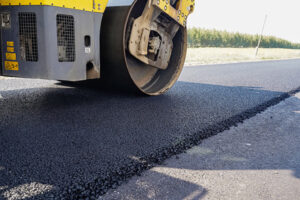
 If you’ve just invested in a new asphalt driveway in Jacksonville, you’re probably excited to see it add curb appeal and functionality to your home.
But with our city’s unpredictable thunderstorms, high water tables, and frequent flood warnings—especially in areas like San Marco, Ortega, and along the Intracoastal—your driveway faces real risks right from the start.
The good news? With a few smart moves, you can help your driveway last for decades, no matter what the weather throws at it.
Here are seven proven strategies we use and recommend to keep your new driveway looking sharp and performing well—rain or shine.
Key Takeaways
- A new asphalt driveway in Jacksonville needs extra protection from heavy rain, flooding, and our local soil conditions.
- Sloping the base and installing French drains help keep water away to prevent erosion and surface breakdown.
- Sealcoating and strong asphalt mixes protect the surface from Jacksonville’s heat, humidity, salt air, and frequent rainstorms.
- Waiting for full curing and using edge support helps prevent early damage and keeps your driveway in shape.
1. Grade the Sub-Base to Promote Proper Drainage
Before a single drop of asphalt is poured, we always focus on the slope.
In flood-prone zones like Riverside or areas near the St. Johns River, even a slight miscalculation in grading can leave standing water pooling on your surface. The key is to slope the sub-base away from the house and toward a stormwater system or swale.
We typically aim for a minimum slope of 2% to make sure rainwater has somewhere to go. This not only reduces erosion beneath the driveway but also prevents that dreaded waterlogging that breaks down asphalt from the inside out.
2. Install a French Drain Along Flood-Prone Edges
If your property backs up to marshland or sits on a low-lying lot—like those near Dunn Creek or around Hogan Road—a French drain can make a big difference. These subsurface systems collect and redirect groundwater before it seeps under your asphalt and weakens its base.
We usually install them at the lower edges of driveways where runoff collects, then direct the water into retention areas or existing storm drains approved by the Jacksonville Stormwater Utility.
This is especially useful during hurricane season, when water tables spike and surface drainage alone isn’t enough.
3. Sealcoat Early and Reapply on a Local Maintenance Schedule
Jacksonville’s mix of UV exposure and high humidity makes unsealed asphalt wear out fast. Sealcoating within 3 to 6 months of installation adds a crucial layer of protection against both moisture intrusion and heat damage.
But crack sealing once isn’t enough.
With our intense summer rains and salty air—especially in beachside communities like Neptune Beach or Atlantic Beach—we recommend resealing every 2 to 3 years. This helps guard against water penetration that causes oxidation and softens the surface.
4. Use a Reinforced Asphalt Mix Designed for Coastal Environments
Standard asphalt isn’t always up to the task when it comes to Jacksonville’s coastal microclimates. That’s why we often use a polymer-modified asphalt mix for driveways near places like Mayport or along Heckscher Drive.
These mixes are engineered to resist rutting, cracking, and moisture infiltration—especially important if you’re near brackish water or in areas with fluctuating temperatures and humidity.
The enhanced flexibility helps the surface move with the ground instead of breaking apart.
5. Compact the Base to Jacksonville’s Soil Conditions
Much of Jacksonville’s soil includes loose sands and silty clay, particularly in neighborhoods like Arlington or Mandarin. These types of soil require deep and thorough compaction to prevent shifting during heavy rain. We use vibratory rollers and test compaction levels using Proctor density standards, adjusting based on local site conditions.
Without this extra care, your asphalt might look good at first—but it won’t stay that way once the storms hit and the soil starts to move.
6. Add Concrete Edge Restraints to Prevent Washout
Driveways in Jacksonville without proper edge support often start crumbling from the sides after just one or two major rain events. In areas like Southside and Northside Jacksonville, where roadsides can turn into small rivers during tropical storms, concrete edge restraints keep everything in place.
These borders hold the asphalt together and prevent surface water from eroding the sides of your driveway. It’s a small addition that dramatically extends the life of your investment.
7. Avoid Parking or Placing Heavy Loads During the Curing Period
New asphalt needs time to cure—especially in Jacksonville’s hot, humid climate, where the surface can stay soft longer than usual. We always recommend that homeowners avoid parking on the new surface for at least 72 hours, but in the middle of summer, it may take up to a week before it hardens enough for regular use.
Placing a heavy boat trailer or construction dumpster too soon—common in neighborhoods along the Ortega River or near Talleyrand—can cause indentations or even structural failure.
Letting the surface set properly is one of the easiest and most effective ways to ensure long-term durability.
Keep Your Driveway Strong, Even During a Jacksonville Downpour
Jacksonville’s weather doesn’t make it easy to maintain a perfect driveway—but with the right planning and local expertise, you can protect your investment for years to come. Rain doesn’t have to mean asphalt repairs.
At Vallencourt Inc., we build and protect asphalt driveways with Jacksonville’s stormwater challenges in mind. From expert grading and storm-ready drainage solutions to specialty asphalt mixes and precision compaction, we do it right the first time—because we know what our local climate demands.
Need help protecting your new driveway?
Contact us today to schedule a consultation or request a quote. We’ll walk your property, assess the risks, and create a customized plan to keep your asphalt looking its best—no matter what Florida weather comes your way.
Frequently Asked Questions
How long does it take to install a new asphalt driveway in Jacksonville?
Most residential asphalt driveways take one to three days to install, depending on size, weather, and site prep needs. At Vallencourt Inc., we handle all excavation, grading, and paving efficiently to minimize disruption.
Can tree roots damage my new asphalt driveway over time?
Yes, especially in older neighborhoods like Avondale or Mandarin, where tree roots grow close to the surface. We recommend root barriers or layout adjustments during installation to prevent future cracking or surface lift.
What permits are needed for driveway work in Jacksonville?
Driveway projects usually require a Right-of-Way permit from the City of Jacksonville, especially if they connect to public streets. We take care of permitting and code compliance as part of our full-service sitework.
Is it possible to widen my existing asphalt driveway instead of replacing it?
In many cases, yes. We often widen driveways to accommodate extra vehicles, trailers, or boats—especially in suburban areas. We match materials and ensure proper base preparation to keep the extension strong and seamless.